
Case study · City of Luxembourg
Reaching a diverse city. Neighborhood by neighborhood.
How do you reach residents who speak different languages and are still getting to know the city? Luxembourg City chose 18 digital neighborhoods, invitation letters and translatable posts. Three years after launch, 29% of households had registered on Hoplr.
Reach4 min read
Original case study · English · 9 pages · 2.4 MB
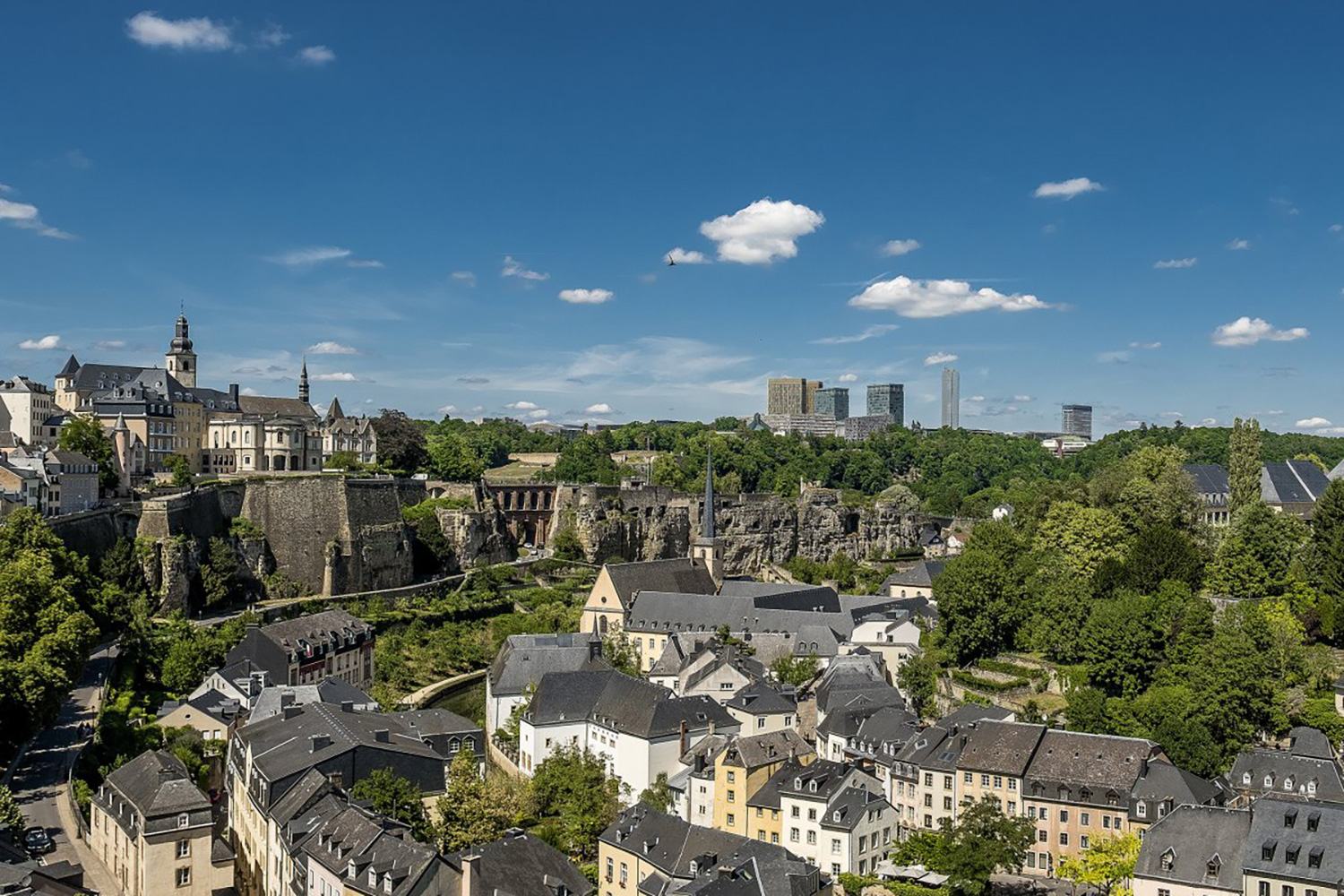

Luxembourg City · Luxembourg
137,696 residents
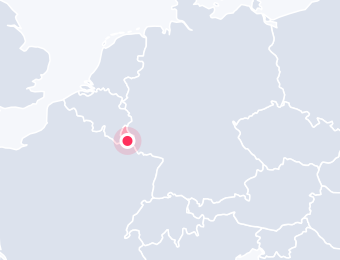
in Europe
- 29%
- of households registered on Hoplr
- 18
- digital neighborhoods, defined with local neighborhood associations
- 3×
- as many registrations after around three years
Registration figures from the original case study and the Hoplr update of 26 August 2025; these are not reader counts for individual city posts.
Many languages, many new residents.
Luxembourg City wanted to better inform its international population. At the end of 2025, almost 70% of residents held a nationality other than Luxembourgish. People who have just moved often do not yet know the neighborhood or its local information channels.
The city wanted to make important information more accessible and help newcomers find their way. Hoplr offered a channel for posts about their own neighborhood, with the option to translate them.
An invitation to your own neighborhood.
Luxembourg City launched Hoplr at the end of September 2022. Together with local neighborhood associations, it divided the city into 18 digital neighborhoods. Residents received a letter giving them access to their own neighborhood.
The city also promoted Hoplr through local and national media, the city magazine and its social channels. Around a hundred people attended an information session. After launch, the city continued inviting new residents.
Local information, in another language too.
City departments share information through the Hoplr dashboard. Residents find these posts in their neighborhood network, alongside neighbors’ questions, activities and tips. The translation feature lets them read posts in another language.
Maurice Bauer gives an example of contact between the city and its residents:
“If there is a problem on the road, for example, this is a useful way to inform residents. Users can also contact us to report an incident.”
Translated from French
In practice in Luxembourg City
Roadworks, babysitters and sports activities.
Through Hoplr, residents exchanged information about roadworks, found a babysitter and organized sports activities. The city could share information on the same platform neighbors used for their own questions.
29% of households registered.
According to the Hoplr update of August 2025, registrations had tripled since the 2022 launch. 29% of households had joined.
Since launch, residents had published 35,778 posts and 1,882 activities. These figures refer to their own contributions; readers of city posts were not reported separately.
“The pandemic highlighted the importance of staying connected. The Hoplr app provided an answer to that challenge.”
Translated from French
The city also promoted Hoplr again in January 2026. Through the municipal information page, residents can register for free using their home address.
What can your municipality learn from this?
Define neighborhoods with local partners.
Luxembourg City involved neighborhood associations in defining its 18 digital neighborhoods. Their knowledge of the city helped determine where the boundaries should be.
Keep inviting new residents.
After the first letters and launch campaign, the city continued introducing Hoplr to newcomers.
Make translation available.
In a city with many languages, the translation feature helps residents understand posts from the city and their neighbors.
Reaching a diverse population starts in the neighborhood.
Luxembourg City makes municipal communication more accessible by taking residents’ neighborhood and language into account. Local invitations, translatable posts and continued attention to newcomers helped build a network that 29% of households had joined. This gives the city an additional channel for local information, including for people who are still getting to know the city and its services.
Share this story with your team.
Download the original English case study and discuss Luxembourg City’s approach with your communications team.
Download the case study