
Case study · City of Mechelen
City updates that get through. Close to home, in the neighborhood.
In its November 2025 case study, Hoplr reported more than 16,000 registered households in Mechelen. The city shares neighborhood updates about roadworks, events and local initiatives.
Reach4 min read
New case study · English · 6 pages · 0.4 MB
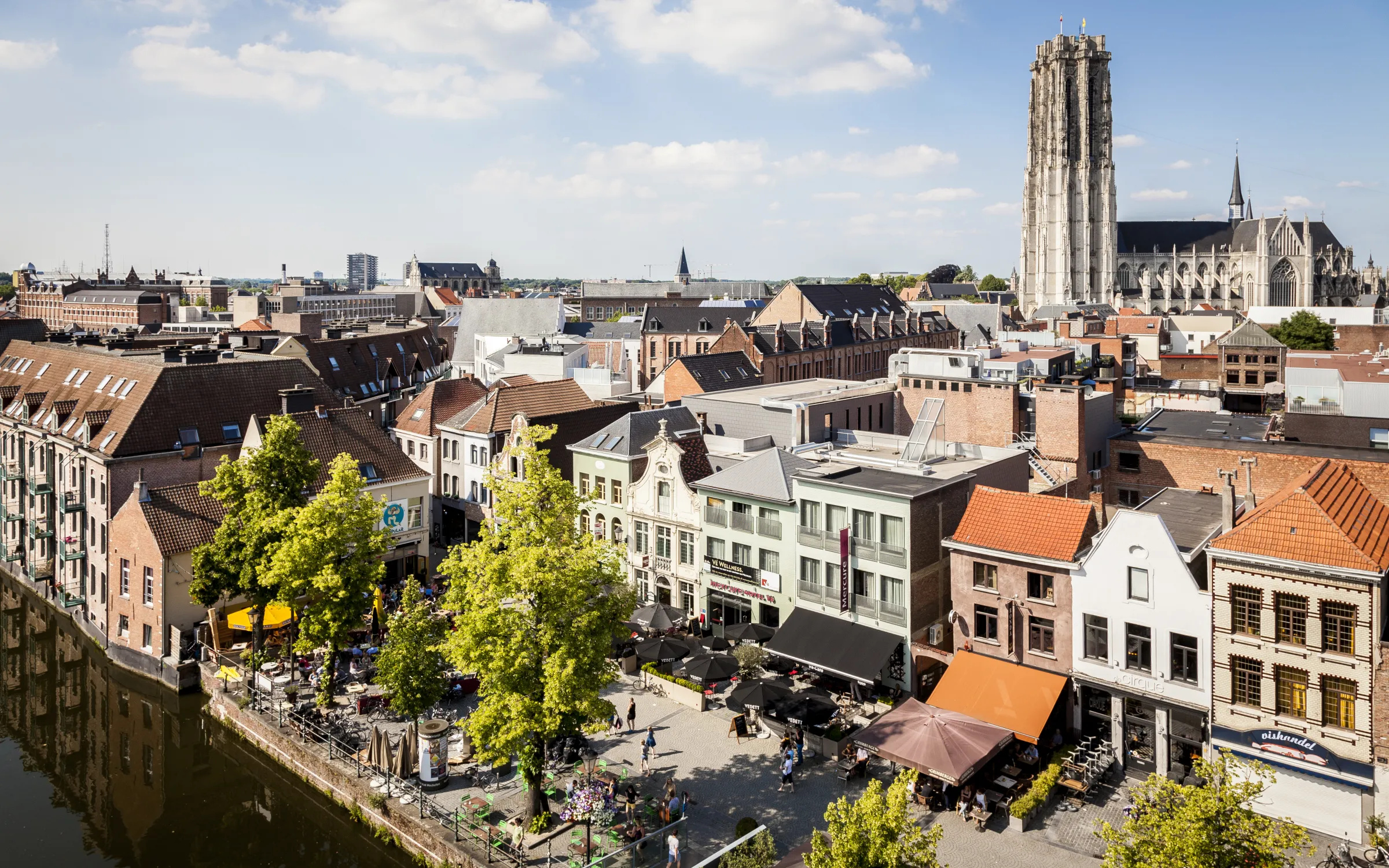

Flanders · Belgium
90,355 residents
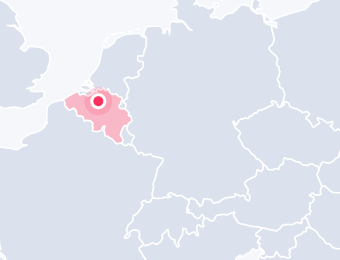
in Europe
- 16,000+
- households registered
- 53%
- of households on the network
- 28
- digital neighborhoods listed by the city
Households and 53%: historical figures from the Hoplr case study of November 27, 2025. Registration does not mean every post is read. The city confirms the division into 28 neighborhoods.
Information about the neighborhood you live in.
Roadworks on your street, a neighborhood event or a new local initiative: Mechelen uses Hoplr to keep residents informed about their own surroundings.
These city updates appear alongside neighbors’ questions and posts. Residents also use Hoplr to lend things, share activities and ask each other for advice.
From a pilot project to 28 digital neighborhoods.
Mechelen began a pilot in four neighborhoods in fall 2016. By the end of 2017, every household in the city had received an invitation. The city website describes the current division into 28 digital neighborhoods.
Residents register with their name and address and join their own neighborhood. The city also directs newcomers to Hoplr through its ‘Nieuwe buren?’ page.
The city shares updates. Neighbors’ conversations stay private.
The city can target posts to a specific neighborhood. Residents receive local updates, for example about roadworks or an event nearby.
Mechelen’s website also explains what the city can and cannot see: it sends neighborhood updates, but has no access to residents’ conversations with each other.
“Good communication is the foundation of trust between a city and its residents.”
Excerpt from the source
Read how Mechelen explains Hoplr to residents.
From the city’s approach
New neighbors? Join online, meet at the doorstep.
Alongside Hoplr, Mechelen offers introduction cards. New residents can pick them up or print them and deliver them to their neighbors. Both options are listed on the ‘Nieuwe buren?’ page.
A local audience across 28 digital neighborhoods.
The original Hoplr case study of November 27, 2025 reports more than 16,000 registered households and a share of 53%. These are historical figures from that publication, not a current measurement.
A registered household is not a unique reader of a city post. Measuring post reach requires separate data on readers, views and the measurement period.
Hoplr is part of Mechelen’s broader neighborhood approach. The city also supports neighborhood days, benches outside homes and other local initiatives.
What can your municipality learn from this?
Share posts at neighborhood level.
Mechelen uses neighborhood boundaries to share local information about roadworks, events and initiatives.
Help new residents get started.
The ‘Nieuwe buren?’ page helps residents both register on Hoplr and meet people on their street.
Explain the city’s role.
Mechelen tells residents that the city can share official updates while conversations between neighbors stay private.
Useful for neighbors, valuable for the city.
Mechelen has been building a local neighborhood network since 2016. Neighbors use it to help each other, share things and organize activities. In the same app, the city can share relevant neighborhood information. The registrations reported in 2025 show the size of the network at that time; attention to individual city posts requires a separate measurement.
Share this story with your team.
Download the English case study with Mechelen’s approach and key figures. Useful for sharing internally or discussing with colleagues.
Download the case study