
Case study · Municipality of Terneuzen
Residents have their say. Their ideas get room to grow.
640 residents completed the survey about Terneuzen’s future. In Zuiddorpe, residents helped shape plans for a new place to play and meet. With Hoplr and doemee.terneuzen.nl, the municipality gives residents a regular place to contribute.
Engage4 min read
Original case study · English · 12 pages · 1.5 MB
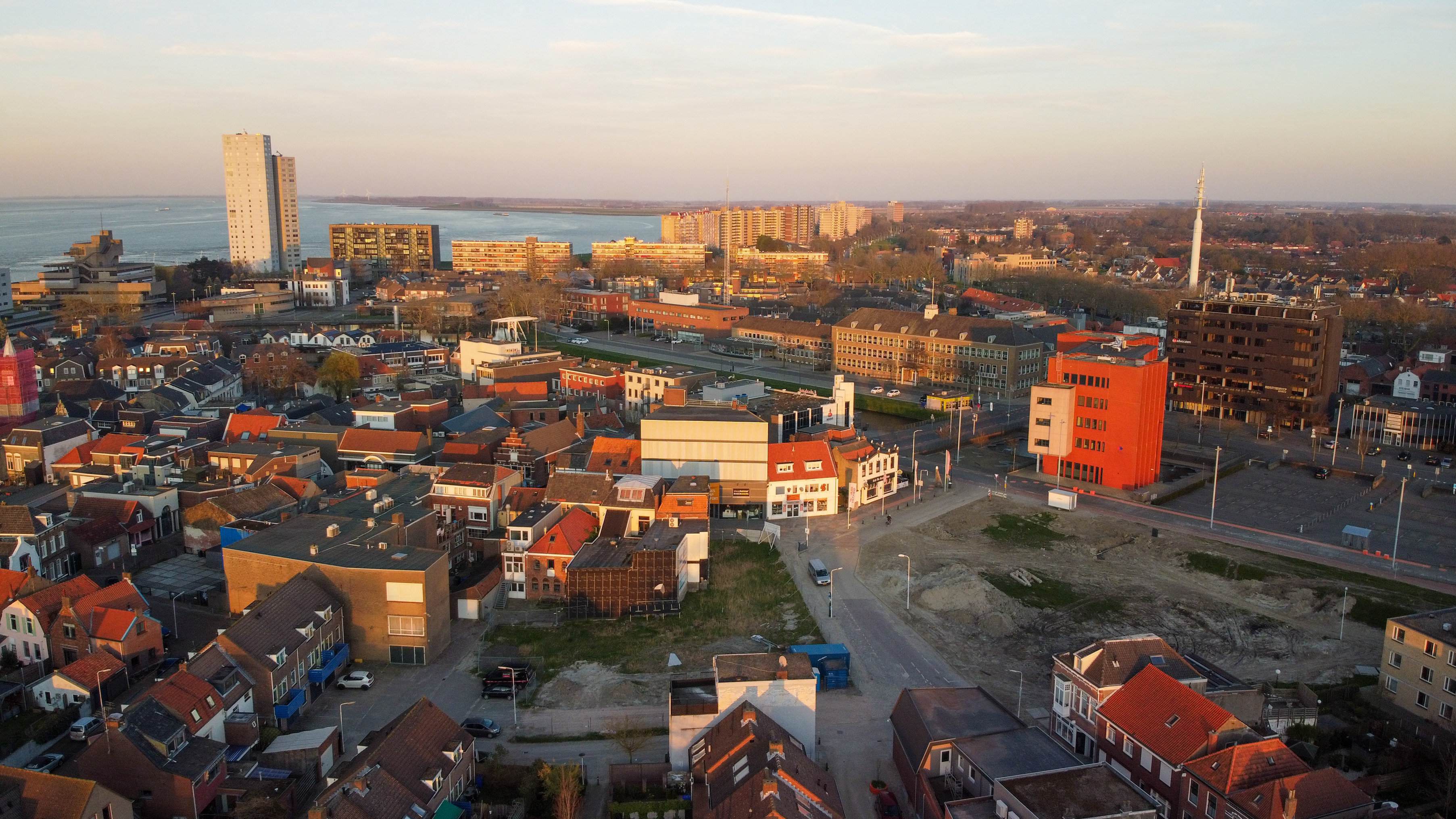

Zeeland · Netherlands
55,955 residents
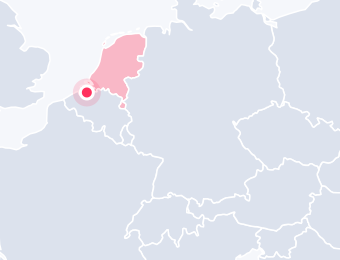
in Europe
- 18
- digital neighborhoods at launch in 2023
- 640
- participants in the spatial vision survey in 2025
- 2
- designs based on input from Zuiddorpe, presented in 2026
Launch in 2023, spatial vision survey in 2025 and design selection in Zuiddorpe in 2026.
Giving more residents a say in municipal plans.
Terneuzen wanted to involve more residents in decisions about their municipality. A digital participation platform was already part of the governing agreement. The municipality also wanted to stay in touch with residents between projects.
Terneuzen therefore chose two channels: the Hoplr neighborhood network for contact between neighbors and a public participation platform for municipal plans.
A neighborhood app and one place to participate.
In 2023, Terneuzen introduced Hoplr in 18 digital neighborhoods. Residents received an invitation letter. In early April, the municipality also launched doemee.terneuzen.nl.
On the participation platform, residents can follow projects, share ideas and complete surveys or polls. Hoplr also worked with Terneuzen to develop interactive map questions, allowing residents to link their response to a location.
More than fifty employees from different teams received training at launch. This enabled several departments to set up participation projects themselves.
From discussing the municipality’s future to choosing a design for your village.
Jozien Borgmeijer, Citizen and Government Participation Adviser, saw more young adults and women taking part. The team reported that residents who spoke other languages also found their way to the network.
“The audience is now much more diverse than before, with not only older men over fifty, but also many young adults and a larger number of women.”
From the original case study
640 responses about the future living environment.
From 15 January to 22 February 2025, residents could complete the spatial vision survey. A total of 640 people did so. The municipality also gathered input through conversations, street interviews and school visits.
Two designs for Zuiddorpe.
In 2026, the municipality used a survey to ask residents what they wanted for play, exercise and meeting others. It also spoke with Speelweek and Jeugdraad 5.1. On 11 March, the first findings were discussed at Bewonersplatform Leefbaar Zuiddorpe.
The input was incorporated into two designs for the site next to the sports hall. From 29 May to 11 June, residents could indicate their preference. The municipality announced that it would build the design receiving the most votes.
In practice · Zuiddorpe, 2026
Residents help choose after the first survey.
The municipality first asked what residents wanted from the play area. Residents could then choose between two designs that incorporated those wishes. Their involvement continued beyond completing the initial survey.
Helping staff with their first projects.
Some project leaders feared extra debate or delays. They received support to put their first projects on the platform. According to Jozien, colleagues who started using it were positive about residents’ responses and suggestions.
“Hoplr has become an indispensable part of Terneuzen. Councillors regularly ask us whether a particular message has already been shared through Hoplr.”
From the original case study
On 15 September 2026, doemee.terneuzen.nl had 9,082 registered residents. The spatial vision and the designs for Zuiddorpe show how the municipality uses the platform for both municipality-wide and local questions.
What can your municipality learn from this?
Support your staff too.
Terneuzen trained more than fifty employees at launch. Project leaders then received help publishing their first participation projects.
Combine a survey with conversations.
For its spatial vision, Terneuzen complemented online responses with street interviews and school visits. In Zuiddorpe, the municipality also spoke with local youth organizations.
Involve residents in the next steps too.
The first survey in Zuiddorpe was followed by two designs. Residents could then say which one they preferred.
Participation leads to a next step.
In Terneuzen, Hoplr gives residents a regular place to contribute to their municipality. In Zuiddorpe, their wishes were incorporated into two designs, after which they could indicate their preference. The platform supports these successive steps. The municipality provides on-site conversations, staff support and feedback. Together, these make clear what residents can contribute to and what happens next.
Share this story with your team.
Download the original English case study with the interview about Terneuzen’s launch. This web article covers the later spatial vision and Zuiddorpe projects.
Download the case study